








Health from Upcycled Ingredients: The Fermented Seagrape & Coffee Cherry Drink
Research news
Mar 9, 2026
Author: nutthawat.s@cmu.ac.th
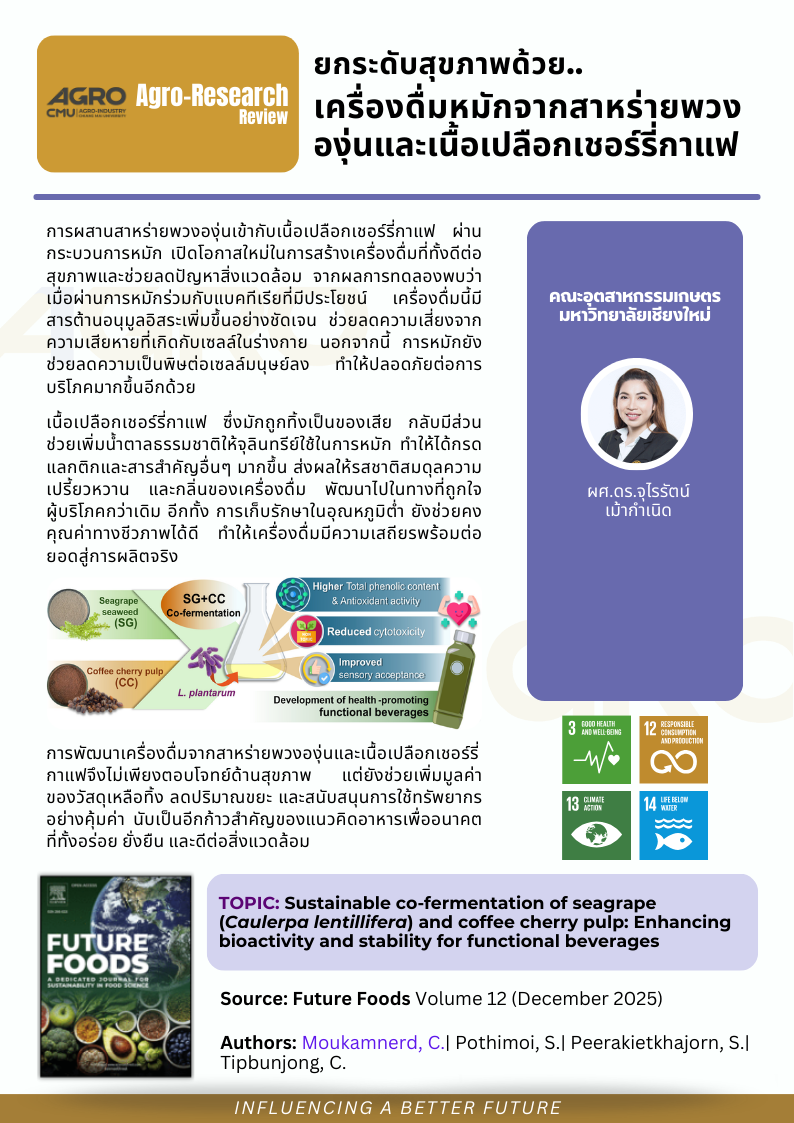
Fermenting seagrape with coffee cherry pulp offers a promising way to create a health‑promoting and eco‑friendly beverage. The study shows that co‑fermentation significantly boosts antioxidant activity, helping protect the body from cellular damage. It also reduces cytotoxicity, meaning the drink becomes safer for consumption after fermentation.
Coffee cherry pulp—normally treated as agricultural waste—plays a key role by providing natural sugars that enhance microbial activity. This leads to higher production of beneficial acids and bioactive compounds, while also improving the drink’s flavor, aroma, and mouthfeel. Fermentation creates a more balanced taste profile that consumers prefer over the unfermented version.
Cold storage helps maintain the beverage’s stability, preserving its antioxidant properties and microbial viability over time. Overall, this fermented drink not only supports health but also adds value to food byproducts, reduces waste, and aligns with sustainable food innovation.
Topic: Sustainable co-fermentation of seagrape (Caulerpa lentillifera) and coffee cherry pulp: Enhancing bioactivity and stability for functional beverages
Authors: Moukamnerd, C.| Pothimoi, S.| Peerakietkhajorn, S.| Tipbunjong, C.
Abstract:
Fermentation of seagrape seaweed (Caulerpa lentillifera) with Lactiplantibacillus plantarum and supplemented with coffee cherry pulp enhances microbial viability, bioactive compound content, and antioxidant activity while reducing cytotoxicity and improving sensory acceptance. The co-fermented formulation containing 50 g/L seagrape, 25 g/L coffee cherry pulp, L. plantarum TISTR 2070, and 30 g/L sucrose exhibited the highest total phenolic content and antioxidant capacity, with DPPH, FRAP, and ABTS values significantly exceeding those of the unfermented control (p ≤ 0.05). Cold storage at 4 °C demonstrated that the fermented beverage retained its antioxidant properties and maintained microbial viability with minor changes in sugar content and pH. Additionally, cytotoxicity testing on human colon cells demonstrated that fermentation markedly reduced cytotoxicity, with the CC50 increasing from 16,020 ± 445.6 µg/mL (unfermented SG) to 25,860 ± 336.6 µg/mL in the co-fermented sample (p ≤ 0.05), indicating improved safety for human consumption. Sensory evaluation confirmed that the fermented beverage was more accepted than the unfermented counterpart, with improvements in taste, mouthfeel, and overall preference. Multivariate analysis by PCA further revealed strong correlations between microbial activity, antioxidant capacity, and sensory attributes. LC-QTOF-MS analysis confirmed the release and biotransformation of diverse bioactive metabolites during fermentation, contributing to the enhanced functional properties of the final product. With its enhanced bioactivity, stability, reduced cytotoxicity, and superior sensory attributes, co-fermentation of seagrape and coffee cherry pulp presents a promising strategy for the development of health-promoting functional beverages.
Source: Future Foods. Volume 12 (December 2025)
Keywords: Caulerpa lentillifera; Coffee cherry pulp; Lactiplantibacillus plantarum; Functional beverage; Antioxidant activity; Bioactive compounds; Zero waste fermentation
View at publisher: https://www.sciencedirect.com/science/article/pii/S2666833525001509
Recent News


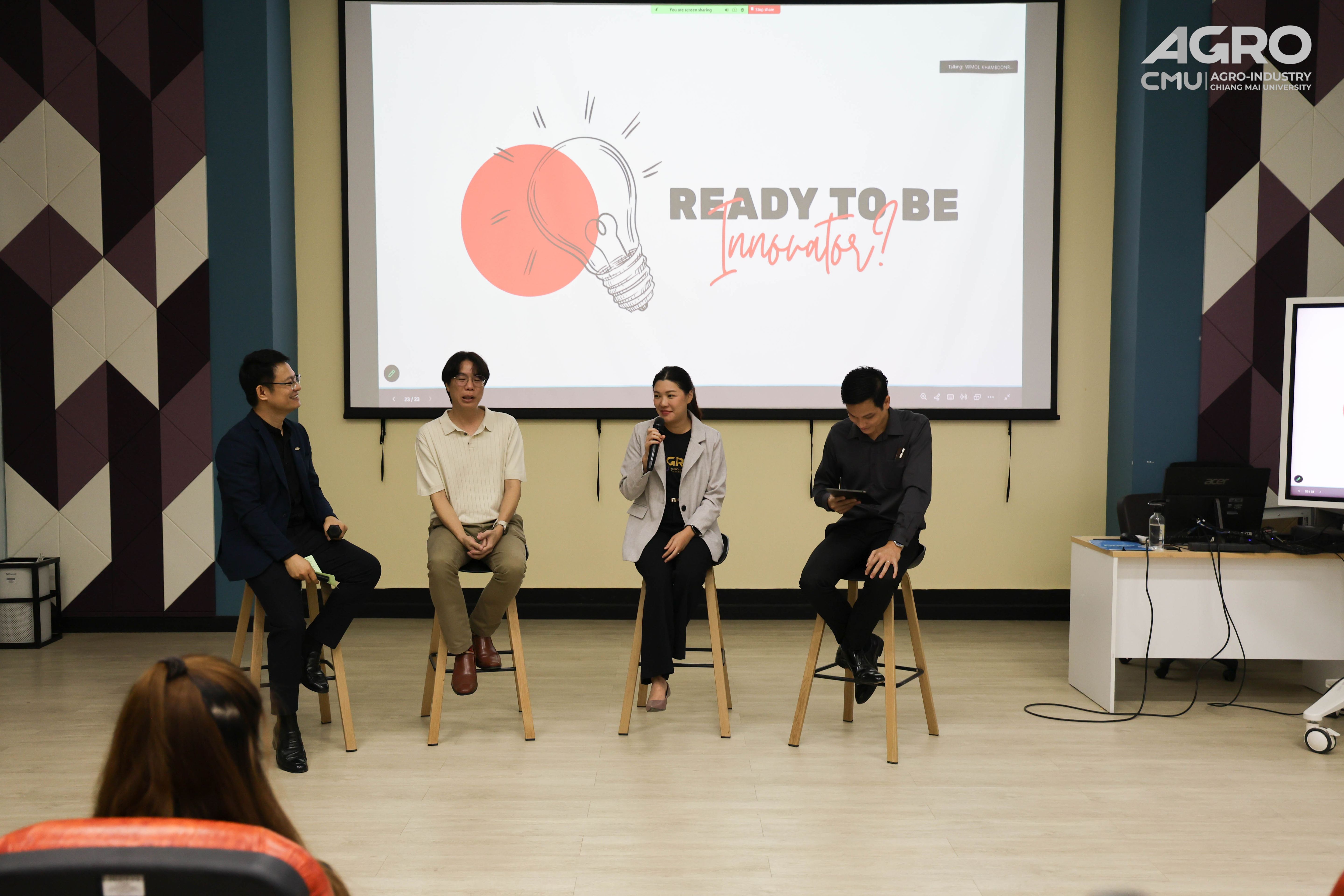 Faculty activitiesAug 24, 2026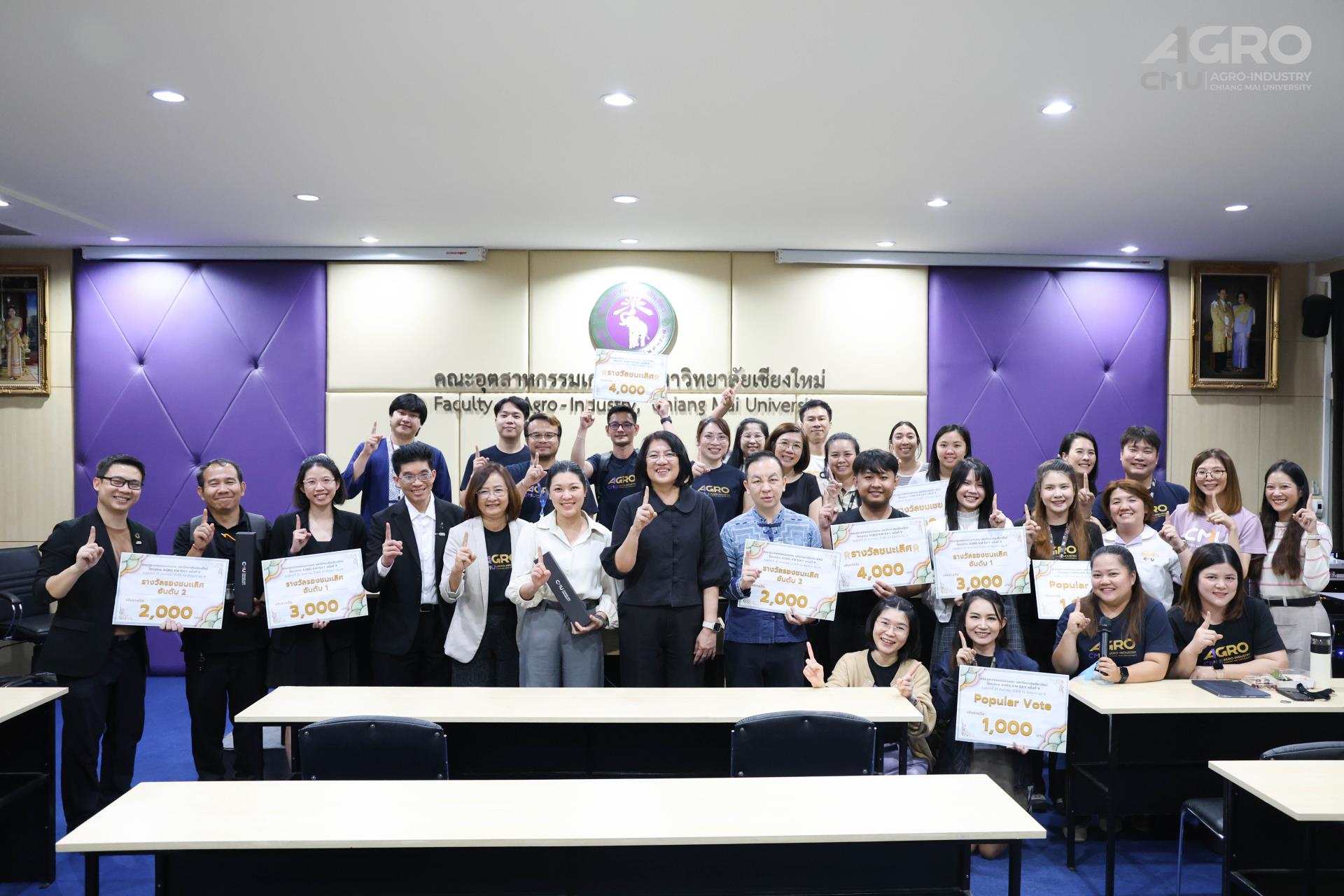
 Awards and achievementsAug 24, 2026